
Planning to get your roof inspected? The shrewd inspectors can take advantage of your situation if you have never done it before and don’t know what it actually covers.
To avoid being misled by contractors, you must be able to recognize whether the job is done successfully.
Where a Surface Level Inspection Stops
A surface-level roof inspection usually covers a visual assessment from the ground (or from the edge of the roof at best). It also includes a general observation about the condition of roofing material and a broad conclusion. It may identify obvious things like missing tiles or damage, but it misses important details.
These details include flashings that have lifted slightly or early-stage deterioration that doesn’t appear instantly. And also the ridge tiles that look stable but have lost their bedding mortar and can get displaced at any time.
These things don’t show up in a ground-level visual, but all of them have real consequences.
What a Thorough Inspection Covers
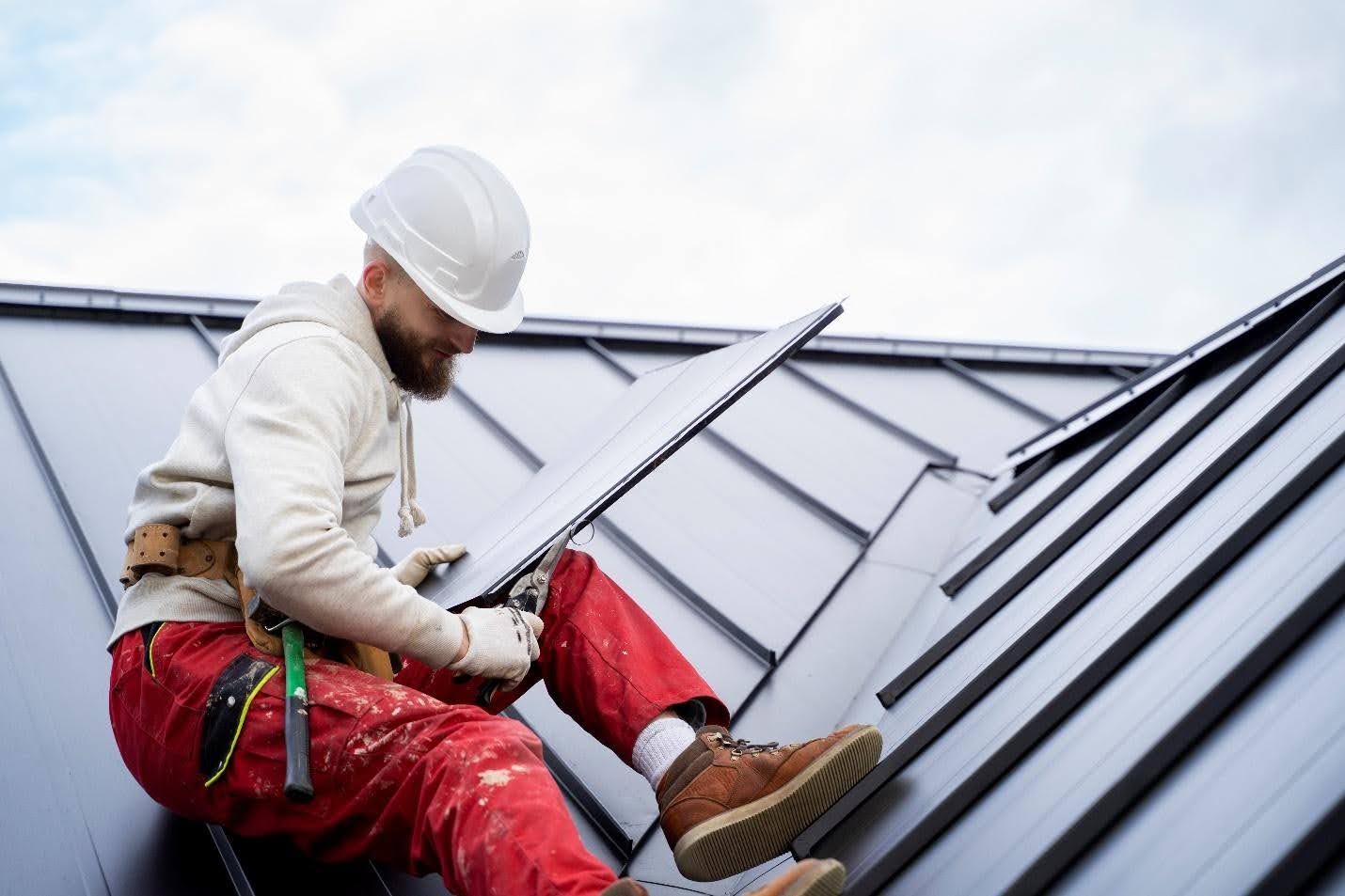
An in-depth roof inspection physically examines the roof surface (rather than working from a distance). An inspector works carefully across the entire roof and checks the condition of individual tiles and slats. They also assess flashings at every junction and carefully examine how ridges and guttering are working.
If the loft access is available, the inspector may also look at the underside of the roof structure to check for water staining. Material examination is also part of this process, and it involves checking shingles for cracks, curling, missing pieces, algae/moss, or granule loss.
The Report Tells You a Lot
How an inspector communicates his findings is as important as the inspection itself. They must deliver a detailed written report that outlines all major and minor issues. The report should also include the severity of those issues and what needs immediate attention.
The photographs that support the findings make the report incredibly useful. They will give you visual evidence of what was found and what you should be focusing on.
Questions You Should Ask before You Book
If you ask the right questions, you can learn a lot about the quality of an inspection even before you book. Ask whether the roofers will physically access the roof surface or do the assessment from ground level. Also, check whether they’ll inspect the loft space as well.
You also need to know what the report will include and whether it will contain photographs. How long the inspection will take and what the cost would be are questions worth asking.
Why the Difference Matters Financially
An inspection that misses hidden problems gives you a false sense of security. You also don’t get a complete picture of when you should be spending.
A thorough inspection, on the other hand, identifies early-stage problems. You’ll deal with them at the minor-repair stage, when costs are low. This makes a lot of financial sense, as catching issues early eliminates them before they become bigger problems with higher repair costs.