
Table of Contents
- Water-Efficient Fixtures
- Energy-Efficient Water Heating
- Greywater Recycling Systems
- Sustainable Plumbing Materials
- Smart Plumbing Technologies
- Rainwater Harvesting Systems
- Permeable Paving Systems
- Water-Saving Appliances
The concept of sustainability in home design is not limited to the installation of light bulbs and solar panels on the roof; it is the entire system that regulates water flow, heating, and waste in a home. Although the majority of households know the value of energy conservation, it is also necessary to note the way in which one of the most valuable resources that we have on a daily basis, water, is handled. The modern, eco-friendly plumbing systems are at the frontline of sustainability in living, as they not only bring the homeowner the concrete benefits of resource-saving but also high savings in utility bills every month and high property value in the long-term. Denver emergency plumbing services can be contacted at any time of the day, 24/7, because to the people in Denver that have plumbing emergencies or need to be informed on how to upgrade in a sustainable way, the services, and the services will receive timely services to fix the immediate repairs and installations of the plumbing systems that are environmentally friendly. By coordinating with the experts in sustainable plumbing, the home may take the necessary measures to implement more efficient and responsible home plumbing.
Installation of this kind of modern plumbing can also tremendously reduce water and energy consumption, as well as allow homeowners to take on larger conservation activities, along with enhancing the performance and efficiency of the critical systems in their homes and making them more resilient. Contemporary plumbing is not only about the necessity to avoid leaks or make sure that water flows, but also a groundbreaking step toward a sustainable future.
Water-Efficient Fixtures
Among the most basic and least costly areas to begin the process of transforming the typical home into a model of sustainability, one should install water-efficient devices in the form of low-flow toilets, faucets, and showerheads. The modern plumbing fixtures are designed in a manner that they reduce the amount of water used without decreasing or even impairing the performance of the traditional plumbing fixtures. The performance and water efficiency of the fixtures are the industry standard of the WaterSense program, and only the products that can pass the stringent test of quality and performance are certified by the EPA. Using the example, a toilet with a WaterSense label will use at least 20 percent less water to flush than the standard one and can help a typical household to save up to 16,000 gallons of water each year. These are cost-effective retrofits that could require a minimal initial capital investment and have a short payback period since they assist in a significant reduction in monthly water bills, as well as contribute to the overall reduction of the environmental footprint of the household. In addition to toilets, the WaterSense products also include showerheads that are of high pressure and have lower flow, and faucets that deliver water efficiently. A list of all approved and certified fixtures can also be located on the EPA WaterSense Products page, and it is a painless place to start green renovations. Besides saving on water, they form a wise addition to the worth and beauty of a home for environmentally-conscious consumers.
Energy-Efficient Water Heating
One of the most energy-intensive activities in homes is usually water heating. The conventional type of tank-style water heaters constantly heat and store huge amounts of water, which causes wastage of energy even when the hot water is not in use. There is also an increasing trend of more families replacing the old heaters with the modern ones in an attempt to overcome this inefficiency. These types of water heaters include tankless, among others, and the simple rule about them is that they only heat the water when it is needed, which reduces the amount of energy consumed, and there is no instance of cold water shortage in the houses during peak seasons. Solar water heating minimizes the carbon footprint of a home, too, since it utilizes the power of the sun and no fossil fuel is needed, and it helps to reduce the monthly utility bills. Moreover, heat pump water heaters employ high-tech technology to retrieve the heat in the surrounding air and transfer it to the water to run with up to 60 percent higher efficiency than typical electric types. This diversity of solutions allows homeowners to choose a solution that is more suitable for their habits of use and climate, and all of them can guarantee significant savings in the long run and a positive impact on the environment. More curious people should read the U.S Department of Energy, which has a resourceful input on the most efficient technology of water heating at the time; to get professional advice and direction, refer to their Water Heating page.
Greywater Recycling Systems
Due to the increased concern about water shortage, especially in places where drought frequency is so high, greywater recycling systems have become a more welcome idea in the sustainable design of houses. These new systems are employed to divert lightly utilized water, such as that available in bathroom sinks, showers, and laundry, as well as divert the water to other productive applications that do not require the use of drinkable-quality water, such as landscape irrigation and toilet flushing. The systems may also be applied to a home to cut the amount of fresh water consumed in a house by half or even more by redirecting the greywater around the main sewage line, which will greatly decrease the load on the local water system and on the local wastewater treatment facilities. The implementation of the greywater system assumes that local legislatures are aware of the reuse of water, the possibility of filtration, and the need to maintain it properly to prevent the smell or blockage. However, with homeowners willing to collaborate with professional specialists, long-term benefits for the environment and economic gain are high. Recycling of greywater does not simply save the utilization of fresh water; it is also a source of resilience during droughts or watering measures.
Sustainable Plumbing Materials
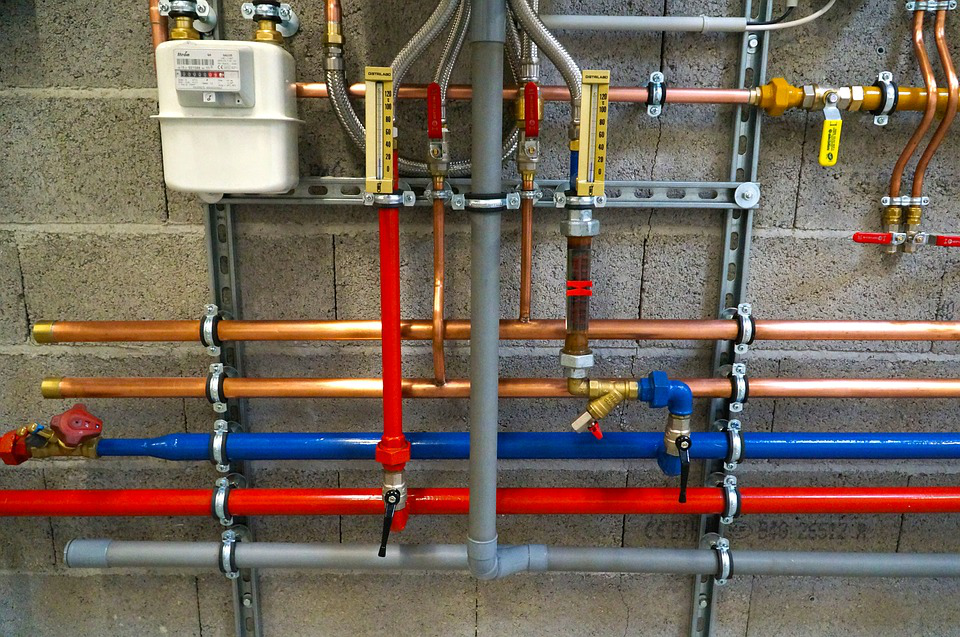
The materials that are to be used in plumbing do not only have short-term effects on the immediate functionality of the water system of a house, but may also affect the sustainability of the house in the long term. Modern materials such as PEX (cross-linked polyethylene) are gaining popularity because of their excellent durability, ability to resist corrosive substances, and ease of installation, which leads to the reduced number of joints and, therefore, the number of possible leak points. The production of PEX does not tend to consume much energy, and it does not generate much waste compared to the old materials, such as PVC or copper. In cases where metal piping will be required, the choice of copper that is made of recycled materials or other metals will result in further reduction of the environmental impact that will be incurred in the extraction and processing of raw materials. Also, local materials may further reduce the carbon footprint due to transportation. When homeowners think about these options, they tend to find out that the sustainable plumbing materials have a longer lifetime, require less maintenance, and can provide more value and dependability to their plumbing systems, and help them to make a more responsible and future-proofed home.
Smart Plumbing Technologies
Water management is becoming easy and efficient with the smart home revolution. The leak sensors of the smart plumbing technology can monitor water consumption in the house and send a notification to the homeowner instantly through their smartphone in case there is a leak or a burst pipe. Most systems are even able to automatically shut the water supply at the source to avoid possible flooding and damage, which may be expensive. These devices offer short-term security as well as long-term security, particularly to homeowners who commute or own a second home. Smart irrigation controllers eliminate the guesswork of watering lawns and watering plants as well because they can be adjusted to the local weather or even connected with soil moisture sensors to give the landscape only the required water and eliminate wastage and overwatering. To add more water-saving smart home upgrades, the EPA maintains a convenient list of water-efficient products in the WaterSense Products location that enables the homeowner to more readily locate technology that will help maximize efficiency and save resources over time.
Rainwater Harvesting Systems
Rainwater harvesting is an ancient practice that is now gaining popularity in contemporary times, whereby households are in a position to use the rainwater that is collected in non-portable activities such as irrigation, exterior cleaning, or toilet flushing. The usual elements of a rainwater harvesting system are gutters that channel the rain on the roof to storage tanks or barrels that may have simple mechanisms to filter off any type of debris. The reserve available during the dry spells of rainfall is extremely significant, as it lessens the strain on the municipalities and provides a cushion against watering curfews or water shortages. Most local governments have also introduced financial incentives or rebates to homeowners who install rainwater harvesting systems, which is a good alternative to the cost of installation, and can have the effect of shortening the investment payback period and making more families adopt this sustainable practice. The Colorado Stormwater Center is an excellent location to explore the incentives and alternatives of rainwater harvesting systems in Colorado and other states.
Permeable Paving Systems
Due to urban development, surface runoffs and flooding are likely to occur because conventional surfaces such as concrete or asphalt do not allow water to infiltrate the ground. Permeable paving materials such as permeable concrete, open-joint paving, or gravel-filled grids allow rain to enter the soil naturally. When this kind of material is used as a driveway, walkway, or patio, the homeowners are not only putting a strain on the municipal stormwater systems but are also contributing to the recharge of the groundwater, as well as helping to reabsorb the destructive runoff contaminants. The systems control storm water at the source of origin, and hence the erosion of soil and pollution of water are minimized, and the neighborhood becomes healthier and greener. The permeable pavements can also help in preventing costly damage in areas where there is a high prevalence of heavy rains or flash floods, as well as in supporting the natural ecosystem at large.
Water-Saving Appliances
The current energy-efficient and water-saving appliances offer a lot of advantages in both saving resources and in the comfort of the house. The modern dishwashers and washing machines labeled by ENERGY STAR are known to possess a high level of technology with sensors that will optimize the amount of water used depending on the size and soils of every load. This does not merely imply clean dishes and laundry but also limits unnecessary consumption that saves water and energy per cycle. These hyper-efficient appliances, in most cases, use half or even less water than the previous ones used, and this will be a significant saving in the long-term. The sustainability-conscious consumers will be able to select dishwashers and washing machines that provide the most efficient, effective, and affordable balance with the assistance of reliable guides and reviews offered by such websites as Consumer Reports.
Through adopting the current plumbing developments and by undertaking careful upgrading, the owners of the homes can be sure that their homes are running at optimum efficiency, economically and sustainably. With every upgrade, the impacts of a home are enhanced, saving the necessary resources, reducing utility bills, and updating a house based on the new generations. The slight modifications today will result in a sustainable lifestyle that will do good to the residents and the planet in the future.