
A thick, green lawn does not happen by accident. It comes from steady care throughout the year, not occasional bursts of effort. Good lawn maintenance improves your home’s curb appeal, supports healthy soil, and creates a comfortable outdoor space for family and pets. Here are the essential tips every homeowner should follow.
1. Mow at the Right Height and Frequency
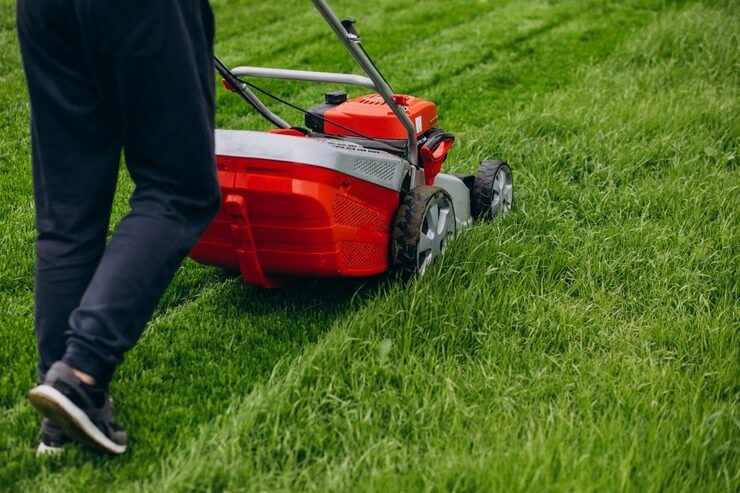
Proper mowing is the foundation of lawn maintenance. Most grass types stay healthiest when cut to about 2.5 to 3.5 inches, since taller blades shade the soil, hold moisture, and crowd out weeds.
Never remove more than one-third of the blade at a time, because cutting too short stresses the grass. Keep your mower blades sharp for clean cuts, and vary your mowing pattern now and then to prevent soil compaction and uneven growth.
2. Water Deeply and Wisely
Smart watering is a key part of lawn maintenance, and deep, infrequent watering works better than short, daily sprinkles.
Aim for about one inch of water per week, including rainfall, so roots grow deeper and the lawn handles dry spells better. Water early in the morning to reduce evaporation and prevent fungal diseases.
3. Feed Your Lawn With Fertilizer
Regular feeding supports lawn maintenance by giving grass the nutrients it needs to stay thick and green. Test your soil first to learn which nutrients are missing and what the pH level is.
Most lawns benefit from fertilizing in spring and fall, though the best schedule depends on your grass type and climate. Slow-release fertilizers feed steadily and lower the risk of burning the grass. Always follow the label instructions, since too much fertilizer can harm both your lawn and local waterways.
4. Control Weeds and Pests Early
Weed and pest control is an important part of lawn maintenance, and early action prevents bigger problems later. A dense, healthy lawn is the best defense, because thick grass leaves little room for weeds.
Pull weeds by hand when they are small, and apply pre-emergent products in early spring to stop seeds from sprouting. Watch for signs of grubs, such as brown patches that peel back like carpet, and treat them promptly. Choose targeted treatments and use them carefully.
5. Aerate and Dethatch When Needed
Over time, soil becomes compacted and a layer of dead grass called thatch can build up. Aeration is a valuable lawn maintenance step that pulls small plugs of soil from the ground, letting air, water, and nutrients reach the roots.
Do this once a year, ideally in early fall for cool-season grasses or late spring for warm-season types.
Final Thoughts
Consistent lawn maintenance is the secret to a healthy yard. Mow properly, water deeply, feed the soil, control weeds, aerate, and adjust your care with the seasons. If the work feels overwhelming, a local lawn care professional can create a plan suited to your grass and climate. With patience and regular attention, your lawn will reward you with lush color and a welcoming space to enjoy.