
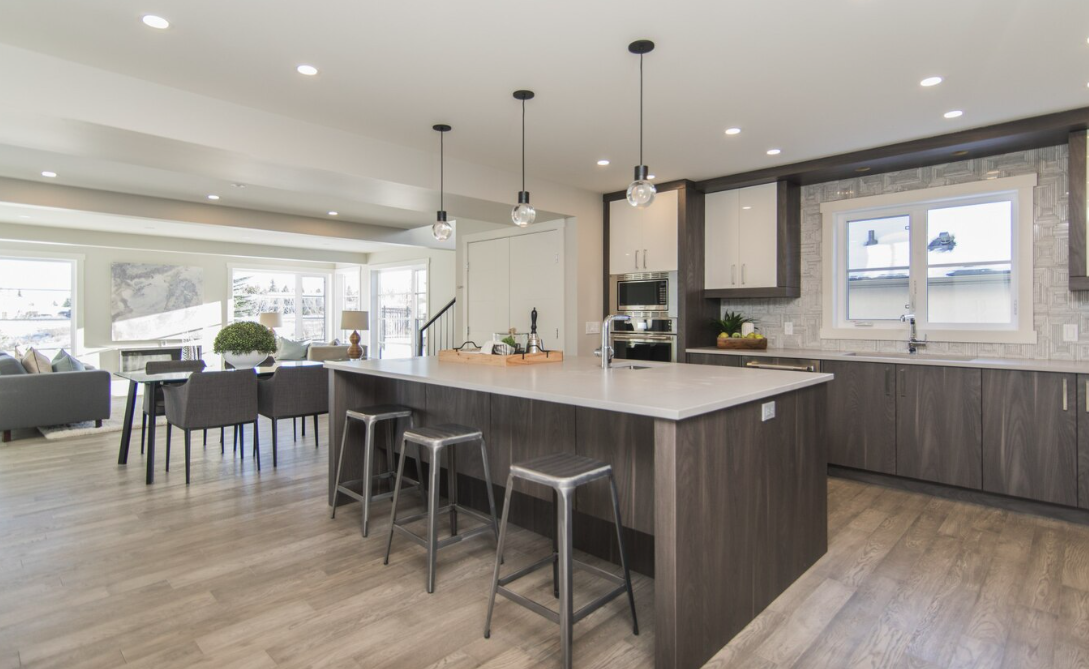
Embarking on the journey of constructing a new house is one of the most rewarding endeavors you can undertake.
Unlike purchasing a pre-built property, creating your own space allows for complete control over every architectural detail, material selection, and functional layout. While the process is undeniably complex, careful planning can transform your dream into a tangible reality.
By focusing on realistic budgeting, expert collaboration, and future-proof design, you can navigate the construction phase with confidence and achieve the residence you have always imagined.
Defining Your Custom Home Requirements
The initial phase of building a custom home is all about clarity. Before approaching any builders or architects, take the time to list your absolute must-haves versus your secondary preferences. Consider how your lifestyle will evolve over the next decade.
Do you need a home office, an open kitchen for hosting, or perhaps an adaptable room that can function as a guest suite?
Defining these requirements early prevents costly mid-construction changes, which often derail timelines and inflate budgets. Documenting your vision ensures that every professional involved stays aligned with your specific needs.
Mastering the Art of Home Design
Investing time in thoughtful home design is the most effective way to ensure long-term satisfaction with your property. Collaborate closely with an experienced designer or architect who listens to your ideas but also offers professional insights on space optimization and natural lighting.
Great design is not just about aesthetics; it is about how the flow of a room influences your daily mood and productivity. Focus on creating seamless transitions between indoor and outdoor areas, which can significantly enhance the perceived size and comfort of your living space.
Establishing a Realistic Financial Budget
Building a house is a significant investment that requires strict financial management. Beyond the hard costs of materials and labor, ensure your budget includes a contingency fund of at least fifteen to twenty percent. Unforeseen site conditions, material price fluctuations, or permit delays are common realities in construction.
Having a financial buffer protects you from stress and allows you to make decisions based on quality rather than panic. Always maintain clear, open lines of communication with your builder regarding expenses to keep the project on track.
Selecting the Right Professional Team
Your project is only as good as the team you assemble. From architects to contractors and interior specialists, choose professionals with a proven track record of transparency and quality.
Research their past work, request references, and pay attention to how they communicate during the initial consultation.
A team that prioritizes clear updates and honest problem-solving will be your greatest asset. Building a rapport with your builder is just as important as the physical construction, as you will be working together throughout the entire development lifecycle.
Prioritizing Quality Materials and Sustainability
Sustainability and longevity should guide your material choices. While trendy finishes may seem appealing, prioritize durability to reduce future maintenance costs.
High-quality insulation, energy-efficient windows, and smart climate control systems significantly reduce your environmental footprint and long-term utility expenses.
Investing in better materials upfront might increase the initial cost, but the peace of mind and energy savings they provide are well worth the premium. Think of these choices as investments in your future comfort and property value.